Private Label Body Care Guide
Custom Body Lotion Manufacturer: What B2B Buyers Should Look For
Looking for a custom body lotion manufacturer? Learn how to evaluate formulation, MOQ, packaging, compliance, and production support for private label body care.
When a brand starts sourcing a custom body lotion manufacturer, the decision is rarely about fragrance alone. B2B buyers usually need a partner that can turn a product idea into a stable formula, scalable production plan, and commercially workable offer. That means evaluating formulation capability, packaging support, MOQ, compliance, and lead time before placing an order.
For private label brands, wholesalers, and distributors, body lotion is one of the most practical entry points in body care. It is widely used, easy to position, and flexible enough to support different textures, claims, and price bands. The challenge is not finding a supplier. The challenge is finding a manufacturer that can deliver the right balance of formula performance, consistency, and order economics.
What a Custom Body Lotion Manufacturer Should Provide
A capable manufacturing partner should do more than fill bottles. At minimum, the supplier should support formula development, ingredient selection, packaging compatibility, filling, and quality control. If the brand needs a private label launch, the manufacturer should also help align the product with market positioning and target user expectations.
For B2B buyers, this usually means checking whether the factory can handle:
- custom fragrance and texture adjustments
- moisturizing, nourishing, or lightweight lotion bases
- packaging options for retail or wholesale channels
- stable production for repeat orders
- documentation and compliance support
If those basics are missing, the supplier may be able to produce a product, but not a commercially usable one. In B2B skincare, that difference matters.
Why Formula Flexibility Matters
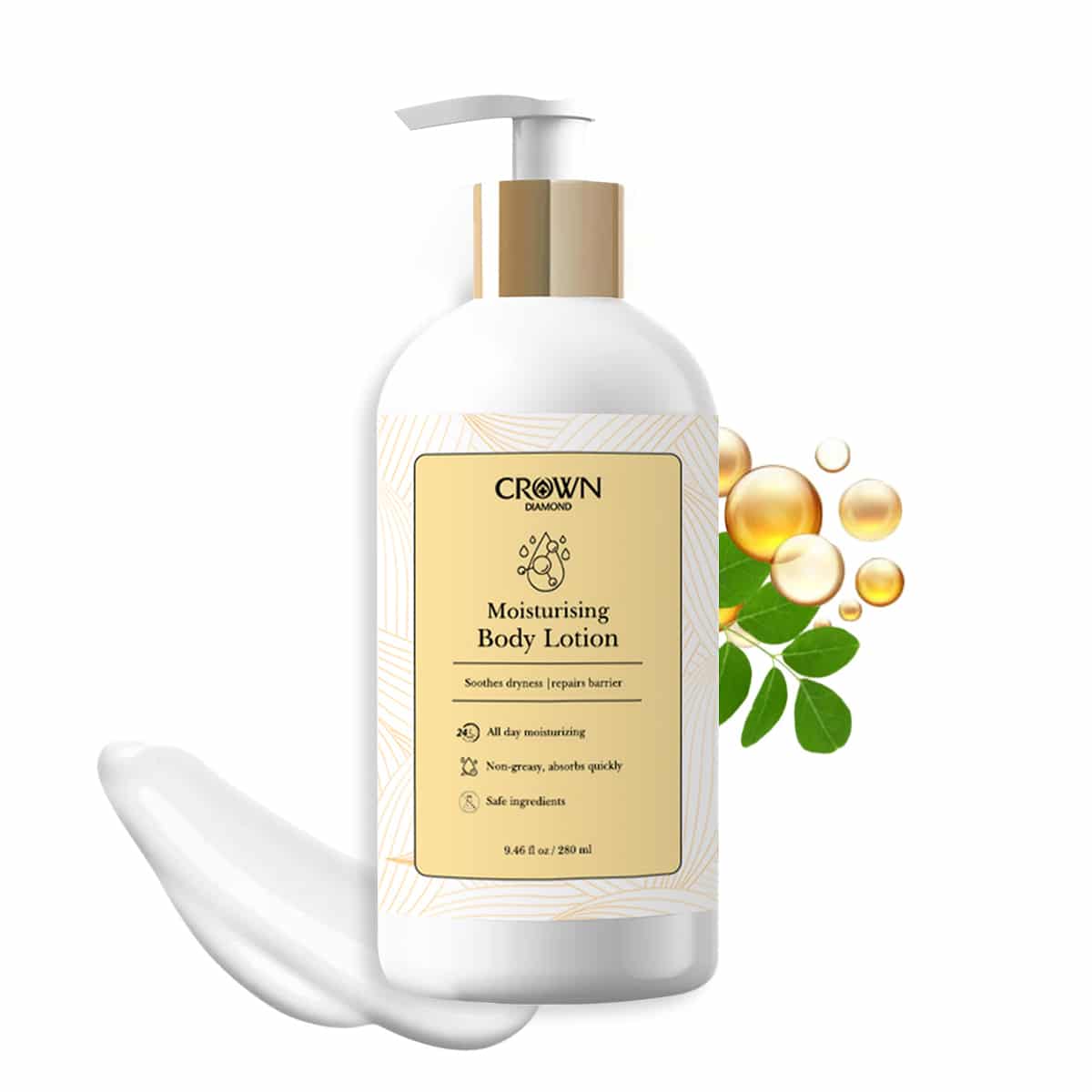
Different markets expect different lotion textures and sensory profiles. Some brands want a fast-absorbing daily lotion. Others need a richer body cream style product. The supplier should be able to adjust viscosity, spreadability, slip, and finish without turning the formula into something unstable or hard to produce at scale.
That flexibility is especially important for private label buyers who plan to sell across multiple channels. A formula that works for e-commerce may need different packaging or presentation than one designed for salon, distributor, or retail shelf use. If the formula cannot adapt, the brand ends up compromising on product fit or market positioning.
Another point is ingredient communication. Buyers often come with consumer-facing language such as hydrating, nourishing, or softening. The manufacturer has to translate that into a formula structure that is technically realistic and compliant for the target market. That is where a real manufacturing partner adds value.
Packaging and Fill Compatibility
Packaging is not just a branding decision. It affects product stability, user experience, and line efficiency. A serious supplier should test compatibility between the formula and the selected bottle, tube, or pump.
That matters because body lotion formulas behave differently in different containers. If the product is too thick for a pump or too fluid for a tube design, the final experience suffers. A good supplier should help reduce that risk before mass production.
Packaging also affects commercial strategy. A simple bottle with pump dispensing may suit a mass-market positioning. A more premium container can support a higher perceived value, but it may also raise unit cost. Buyers should treat packaging as part of the product economics, not just the visual design.
MOQ and Production Planning
MOQ is often one of the first commercial filters for B2B buyers. A factory with a practical MOQ helps new brands test demand without overcommitting inventory. At the same time, the factory should still be able to support repeat production once the product gains traction.
For this reason, buyers should ask about sample turnaround, pilot runs, and replenishment lead times. A supplier that can only support one-off orders is not as useful as a manufacturer that can grow with the brand.
Production planning also includes forecasting. If the product is meant for wholesale or distributor use, the manufacturer should be able to discuss lead times in a way that helps the brand plan launches, seasonal replenishment, and channel expansion. That becomes even more important when the product is part of a wider body care line.
Compliance and Quality Control
Body lotion is a cosmetic product, so compliance matters from the beginning. Buyers should confirm that the manufacturer works under proper quality systems and can provide the documentation needed for their market.
At a minimum, the supplier should be able to explain ingredient handling, batch consistency, production hygiene, and basic testing procedures. If a brand is selling internationally, documentation becomes even more important.
A reliable manufacturer should also have clear quality checkpoints from raw material intake to finished goods. That does not just protect the product. It protects the brand’s reputation, especially when the product is sold under a private label name and the customer assumes the brand is responsible for every detail.
What B2B Buyers Should Ask Before Starting
Before committing to a custom body lotion project, buyers should ask a few practical questions:
- Can the factory support both formula development and private label production?
- What lotion textures can be adjusted without making the formula unstable?
- Which packaging formats are available and which ones have been tested?
- What is the MOQ for samples and bulk production?
- Can the manufacturer support documentation for the target market?
- How long does sampling usually take?
- What is the expected lead time for repeat orders?
These questions are simple, but they reveal whether the supplier is built for real B2B work or only for generic manufacturing requests. A serious body care manufacturing partner should answer them clearly and consistently.
Who This Solution Fits Best
This type of manufacturing solution is usually the right fit for:
- private label beauty brands
- wholesale distributors
- e-commerce sellers building a body care line
- salons and spa brands expanding into retail products
- companies looking for a stable B2B body care supply partner
If your goal is a fast consumer product launch with low friction, body lotion is often one of the more efficient categories to develop. The key is choosing a manufacturer that can support both the product and the business model behind it.
For brands entering the market for the first time, body lotion can also serve as a low-risk category for testing consumer response. It is familiar, easy to explain, and often easier to integrate into an existing skincare or body care catalog than a more complex treatment product.
Why a Private Label Approach Works Well
Private label body lotion works well because the category is flexible. Brands can choose a texture, fragrance direction, packaging style, and target price point that fits their positioning. That makes it easier to build a product line without starting from zero.
The manufacturer should support that flexibility with a process that is practical, not overly complicated. The best suppliers help buyers move from concept to sampling to production without unnecessary friction. That matters when a brand wants to launch on schedule and maintain consistent supply after launch.
If the manufacturer also understands how the product will be sold, not just how it will be made, the result is usually stronger. That kind of partner can help a brand avoid overbuilt formulas, awkward packaging choices, and production issues that show up too late.
Start Your Custom Body Lotion Project
If you are planning a new body lotion project, the next step is to validate the formula direction, packaging format, and order target before moving into sampling. A good manufacturing partner should make that process clearer, not more complicated.
If you want to discuss a custom body lotion project, you can contact our team here: Contact us.
FAQ
What should I look for in a body lotion manufacturing partner?
Look for formulation support, packaging compatibility, practical MOQ, stable production capacity, quality control procedures, and documentation support for your target market.
Can I create a private label body lotion with custom fragrance and texture?
Yes. A suitable manufacturer should be able to adjust fragrance, texture, viscosity, and skin feel while keeping the formula stable and practical for production.
Why is MOQ important for private label body lotion?
MOQ affects inventory risk, launch budget, and replenishment planning. A practical MOQ helps brands test demand before scaling into larger repeat orders.
Does packaging affect body lotion performance?
Yes. Bottle, tube, and pump formats can affect dispensing, user experience, and compatibility with the formula. Packaging should be tested before mass production.
How do I start a custom body lotion project?
Start by defining the target texture, fragrance direction, packaging type, order quantity, and sales channel. Then request samples and a quotation from the manufacturer.