What Is a Private Label Cosmetics Product?
A practical guide for EU and US beauty brands choosing ready-to-market skincare formulas, compliant production, custom packaging and a realistic launch route.
Many successful spa, salon and e-commerce skincare brands do not own a factory. They partner with a specialist manufacturer, select a stable formula and bring it to market under their own brand.
That is the private label model: a faster, lower-risk way to launch skincare while keeping control of your brand presentation, packaging and customer experience.
What Is a Private Label Cosmetics Product?
A private label cosmetics product is made by a third-party skincare manufacturer and sold under your own brand name. Instead of building a factory, hiring chemists and developing every formula from scratch, you choose a mature formula from a manufacturer’s library, select packaging and apply your own label and artwork.
For example, a brand can choose a proven vitamin C body lotion or peptide facial-care formula, customize the bottle and outer box, then sell the finished product as its own branded line.
Private Label vs. OEM vs. ODM
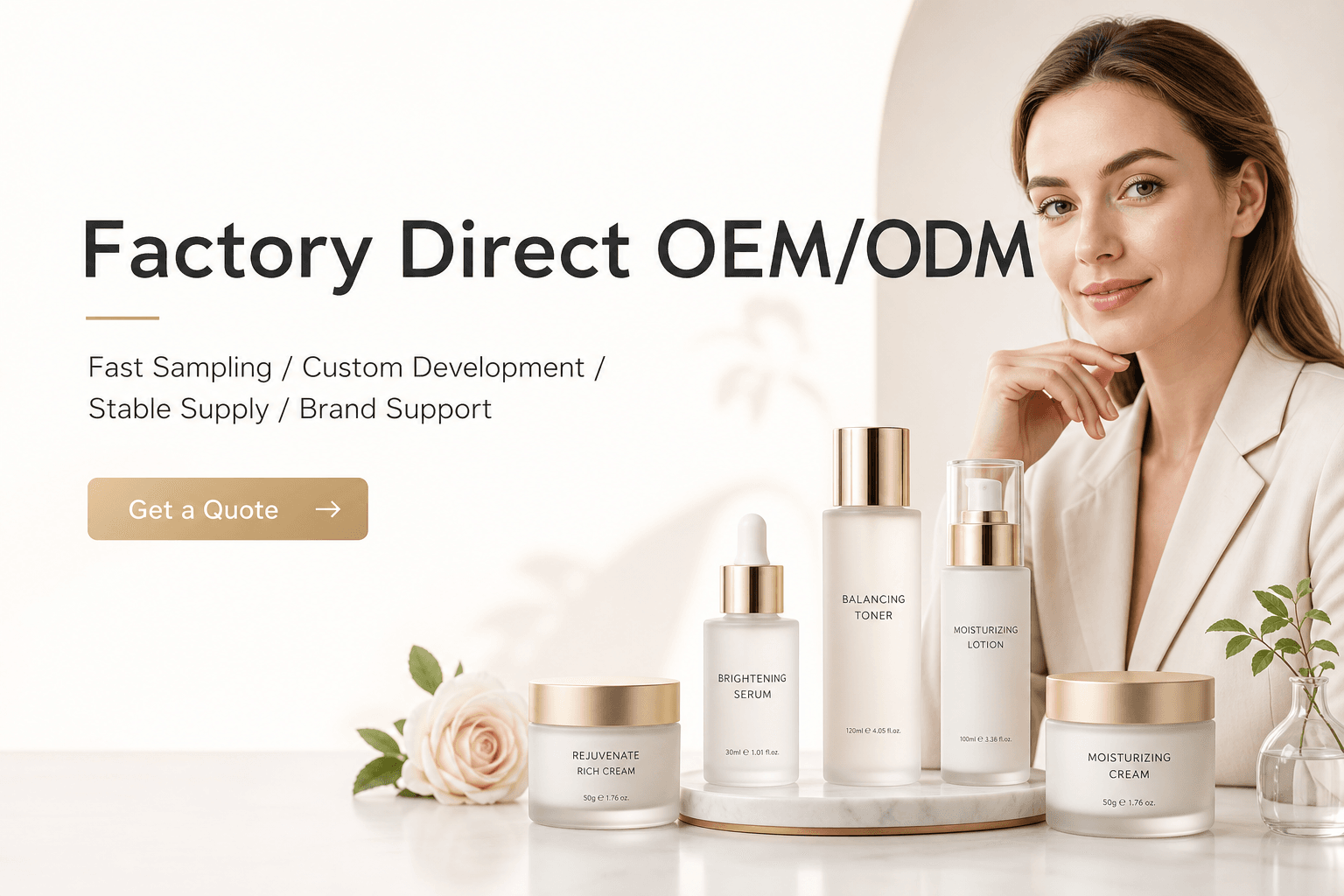
Private Label
You select an existing, tested formula and launch it with your own brand, packaging and label. This is generally the fastest route to market.
OEM
You provide the formula, product specifications and packaging requirements; the factory manufactures to those requirements.
ODM
You provide the product brief and the factory helps create or adapt the formula and product concept. This offers more customization and usually needs a longer development cycle.
Why EU and US Brands Choose Private Label Skincare
Lower MOQ and lower inventory risk
Private label is suitable for market testing because the formula has already been developed. CrownDia Bio supports private label projects from 500 pieces, helping new brands validate demand before expanding.
Faster time to market
When formula stability and packaging compatibility have already been addressed, brands can focus on approving samples, artwork and packaging rather than starting laboratory development from zero.
Proven formulas and compliance support
Established manufacturers maintain formula libraries and quality documentation. For EU and US projects, buyers should ask for practical compliance support including INCI information, MSDS, COA and production-quality records.

How the Private Label Process Works
- Choose a product: review available formulas and request samples to assess texture, fragrance and skin feel.
- Select packaging: choose bottles, jars, tubes and outer boxes suitable for your target market.
- Confirm branding: provide logo files and artwork for label and packaging review.
- Approve production: after samples and artwork are confirmed, the factory fills, assembles and packs the order.
- Complete quality control and delivery: finished goods are inspected before shipment to your warehouse or fulfilment partner.

What to Check Before Choosing a Private Label Partner
Look beyond a low quoted price. Confirm the formula library, sample process, packaging supply options, quality documentation, communication speed and export experience. A useful partner should make the approval process clear rather than leave buyers guessing about MOQ, timing or compliance paperwork.
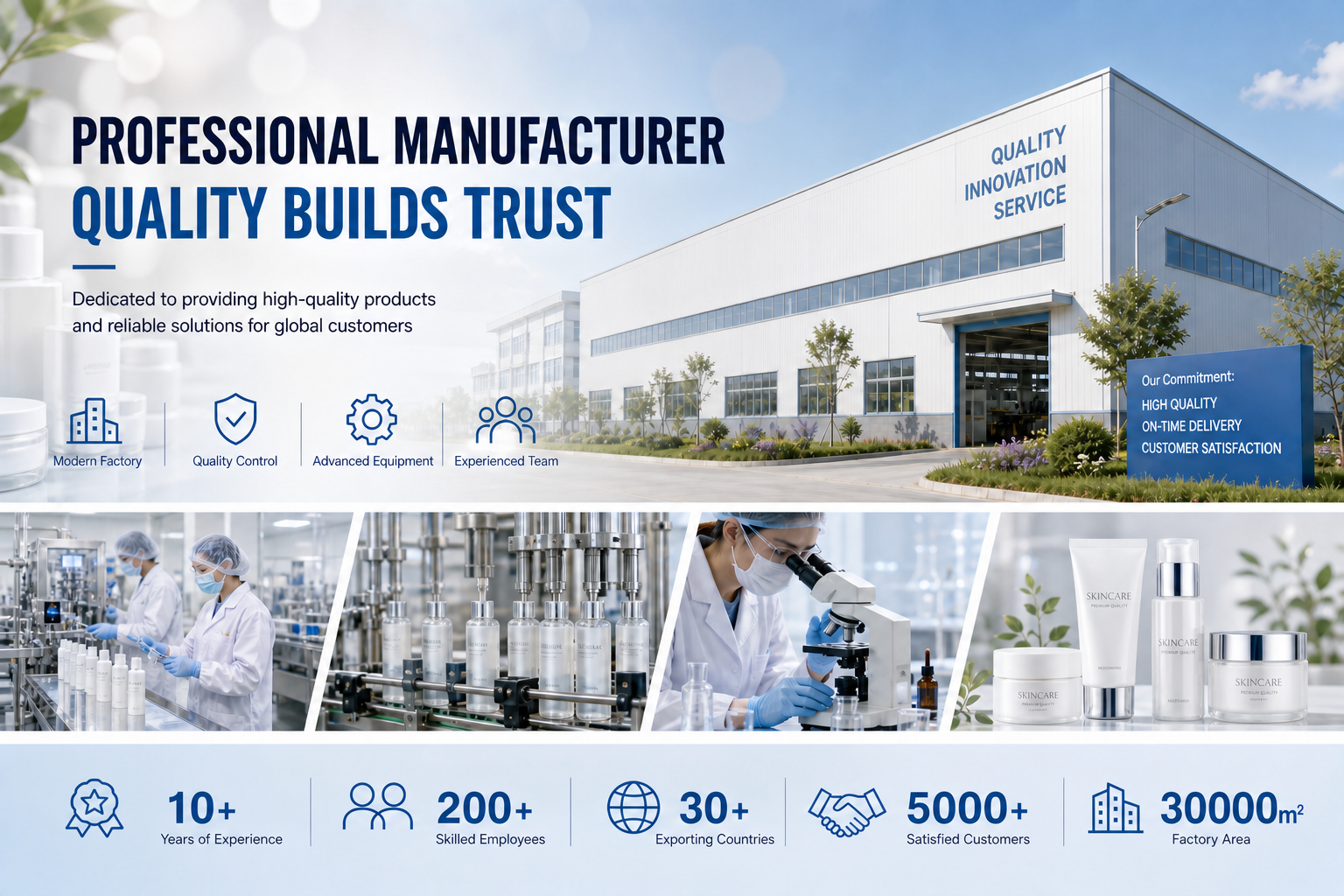
CrownDia Bio combines private label, OEM and ODM support with more than 300 ready-to-market formula references and monthly production capacity of up to 1,000,000 pcs.
Final Thoughts
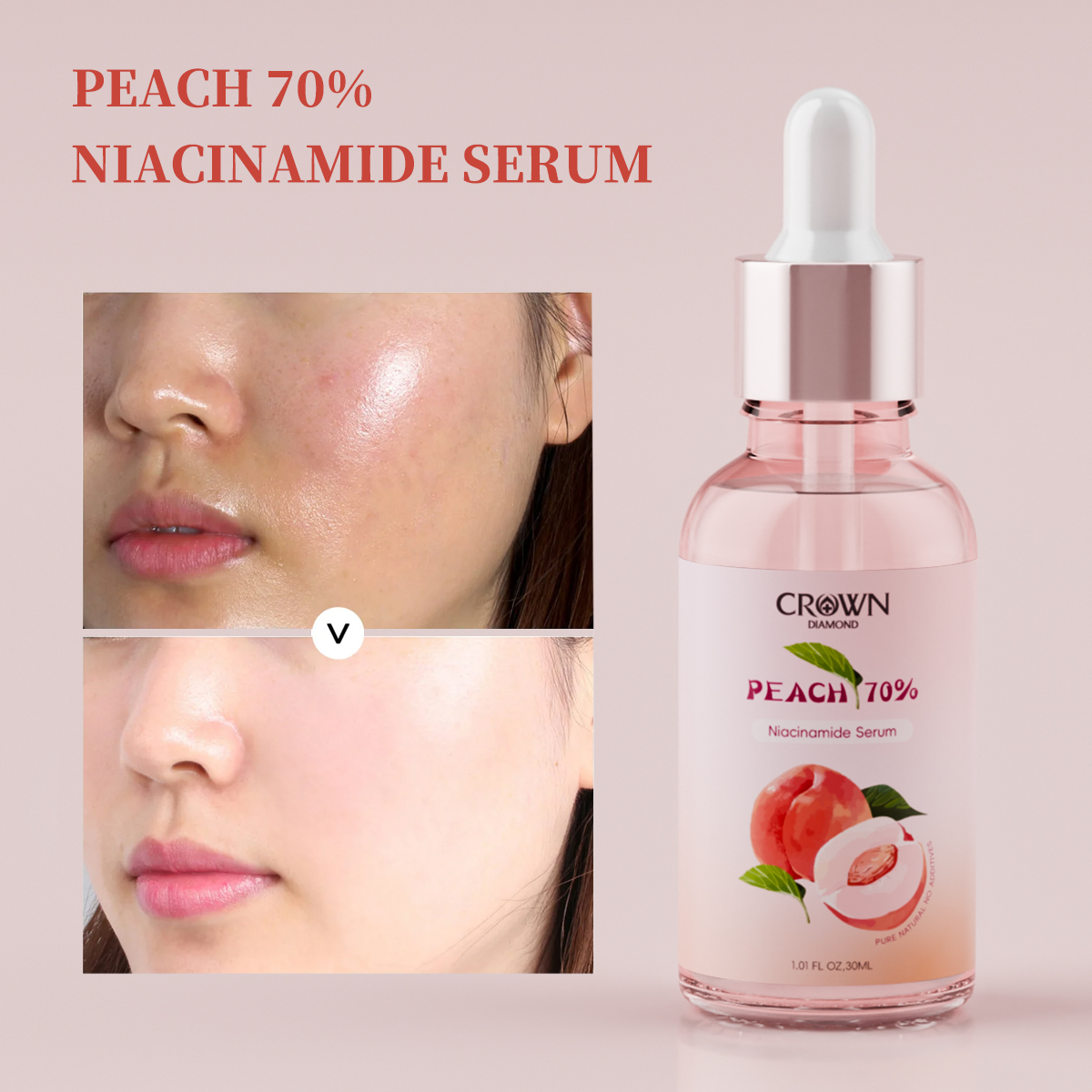
Private label cosmetics give beauty brands a practical launch path: mature formulas, custom branding, manageable MOQ and factory support from sampling through production.
Ready to build your skincare line? Contact CrownDia Bio to request samples and a detailed quotation.