Private Label Skincare Guide
How to Choose a Reliable Skincare Private Label Manufacturer for Your Brand
How to evaluate OEM/ODM experience, formula capability, MOQ, quality control, packaging support, and long-term supply before choosing a skincare manufacturing partner.
For beauty founders, distributors, salon groups, and e-commerce brands, choosing the right skincare private label manufacturer is one of the most important decisions before launching a product line. A good partner does more than fill jars and bottles. They help you turn a market idea into a compliant, stable, and commercially viable skincare range.
In the B2B skincare industry, buyers are not only comparing prices. They are also checking formulation capability, production capacity, quality systems, packaging support, MOQ flexibility, and how well a manufacturer understands overseas brand requirements. The right partner can shorten your launch timeline, reduce development risks, and support long-term product upgrades.
This guide explains what to look for when selecting a manufacturer and how CrownDiaBio supports brands with OEM, ODM, private label, and custom formulation services.
Why Your Skincare Private Label Manufacturer Matters
A skincare product is not only a formula. It is a combination of ingredient selection, texture control, packaging compatibility, regulatory awareness, production consistency, and brand positioning. If one part is weak, the final product may fail to meet customer expectations.
For example, a moisturizer may feel good in the lab but separate after being filled into unsuitable packaging. A body lotion may have the right concept but feel too sticky for a humid market. A facial kit may include attractive products but lack a clear routine logic for professional salon use or retail education.
This is why B2B buyers need a manufacturer that understands both skincare formulation and commercial application. A reliable private label cosmetics manufacturer should help you consider the full product journey: concept, sample, packaging, production, quality control, shipment, and repeat orders.
Key Factors to Check Before Choosing a Private Label Cosmetics Manufacturer
1. OEM and ODM Skincare Manufacturing Experience
Experience matters because skincare development involves many practical details that are not obvious on paper. A manufacturer with long-term OEM ODM skincare experience is more likely to understand different product textures, active ingredient compatibility, packaging limitations, and regional market preferences.
When evaluating a supplier, ask whether they support both OEM and ODM models. OEM is suitable when you already have a formula, packaging direction, or product specification. ODM is useful when you want to launch faster based on existing formula concepts or market-tested product structures.
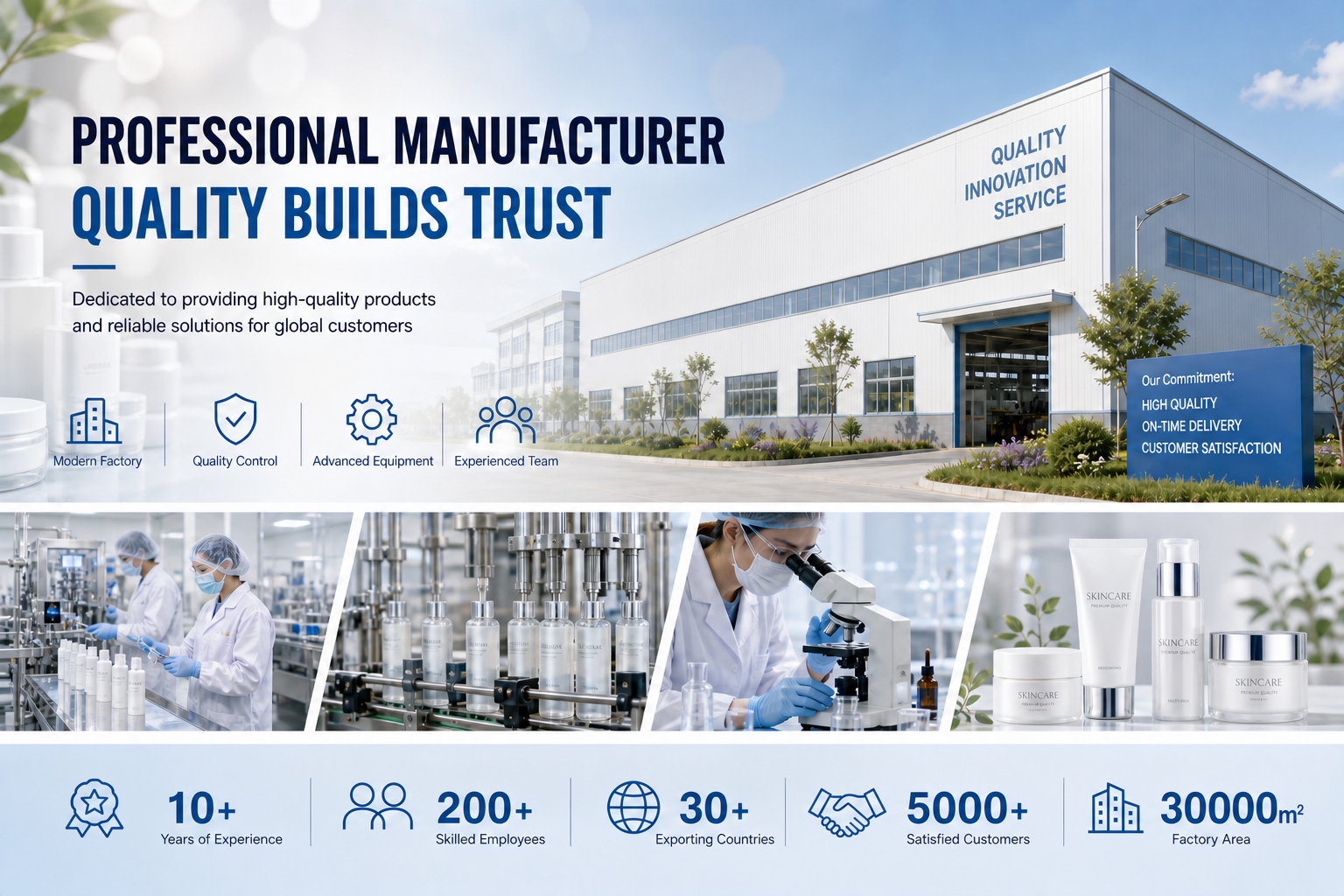
CrownDiaBio has more than 20 years of experience in skincare manufacturing and supports OEM, ODM, private label, and custom formulation projects for overseas B2B customers.
2. Formula Library and Custom Skincare Formulation Ability
A strong formula library can help brands move faster, especially when launching common categories such as facial care sets, cleansers, toners, creams, serums, masks, body lotions, and body care products. However, formula quantity alone is not enough. The key question is whether the manufacturer can adjust texture, fragrance, positioning, and product claims according to your market.
For brands that want differentiation, custom skincare formulation is especially important. You may need a lighter lotion for tropical climates, a richer cream for dry-skin markets, or a facial kit designed around hydration, brightening, oil control, or barrier care. These adjustments require technical communication between your team and the manufacturer.
CrownDiaBio offers around 300+ formula options and can support custom development based on product category, target user, texture preference, packaging format, and brand positioning.
3. Compliance-Safe Product Communication
In skincare, over-promising can create business risk. B2B brands must be careful with product descriptions, label claims, and marketing language. A responsible manufacturer should avoid exaggerated medical or pharmaceutical claims and help you keep product communication within cosmetic positioning.
Compliant skincare wording usually focuses on support, appearance, skin feel, hydration, moisture, smoothness, radiance, and comfort. It should not promise medical treatment, permanent correction, or guaranteed results. This is especially important for international buyers selling across different markets.
When choosing a supplier, check whether the company understands compliance-first communication and can provide product information that supports safe marketing use.
4. Quality Management and Certification Support
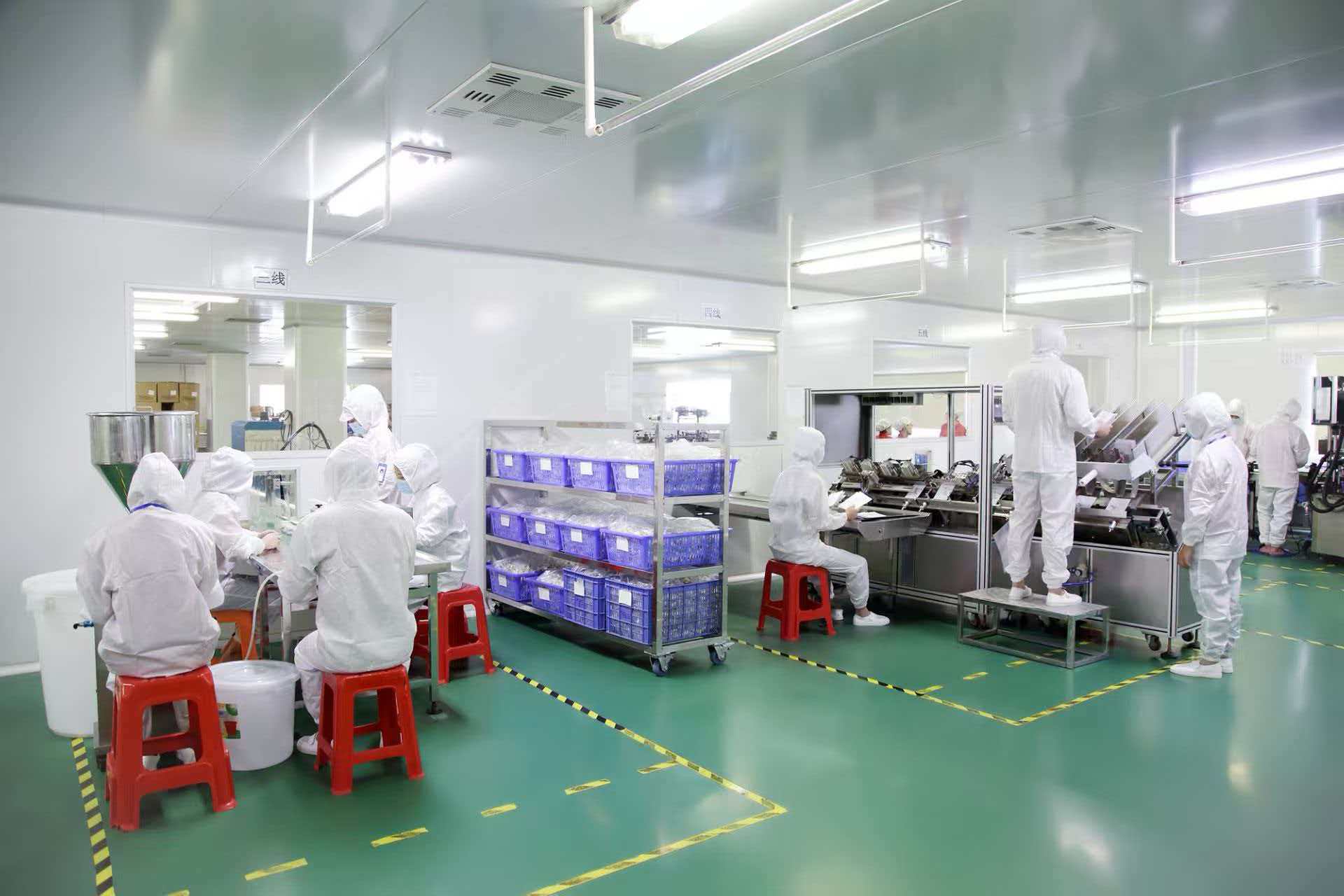
Quality control is a major part of B2B skincare manufacturing. Buyers should check whether the factory has structured production management, inspection steps, documentation support, and relevant certifications. Certifications do not replace your own due diligence, but they are important signals when selecting a long-term supplier.
For overseas brands, GMP, ISO 22716, and SGS-related support can help strengthen confidence during supplier evaluation. These standards and third-party references show that the manufacturer is familiar with cosmetic production management and quality expectations.
CrownDiaBio supports GMP, ISO 22716, and SGS-related documentation, helping B2B customers evaluate production capability with clearer supplier information.
5. MOQ Flexibility for New and Growing Brands
MOQ is often one of the biggest concerns for new beauty brands, distributors testing a market, or salon groups launching their own product line. A very high MOQ can create inventory pressure before the brand has validated demand. A flexible MOQ allows buyers to test product-market fit with lower risk.
At the same time, MOQ should be evaluated together with packaging type, formula complexity, and production planning. Some packaging materials or custom components may require higher order quantities. A professional manufacturer should explain these factors clearly instead of giving vague promises.
CrownDiaBio supports MOQ from 100 units for selected private label projects, which can help startups, small brands, and test-market buyers begin with a more manageable launch quantity.
6. Production Capacity for Long-Term Supply

Low MOQ is useful for testing, but production capacity is important for growth. Once your product gains traction, your manufacturer must be able to support repeat orders, seasonal campaigns, and category expansion.
Before choosing a supplier, ask about monthly capacity, production scheduling, lead time communication, and how they handle larger orders. A reliable skincare manufacturer should be suitable not only for your first launch but also for your next stage of growth.
CrownDiaBio has monthly production capacity of up to 660,000 units, supporting both trial orders and larger B2B skincare supply needs.
7. Packaging and Product Line Support
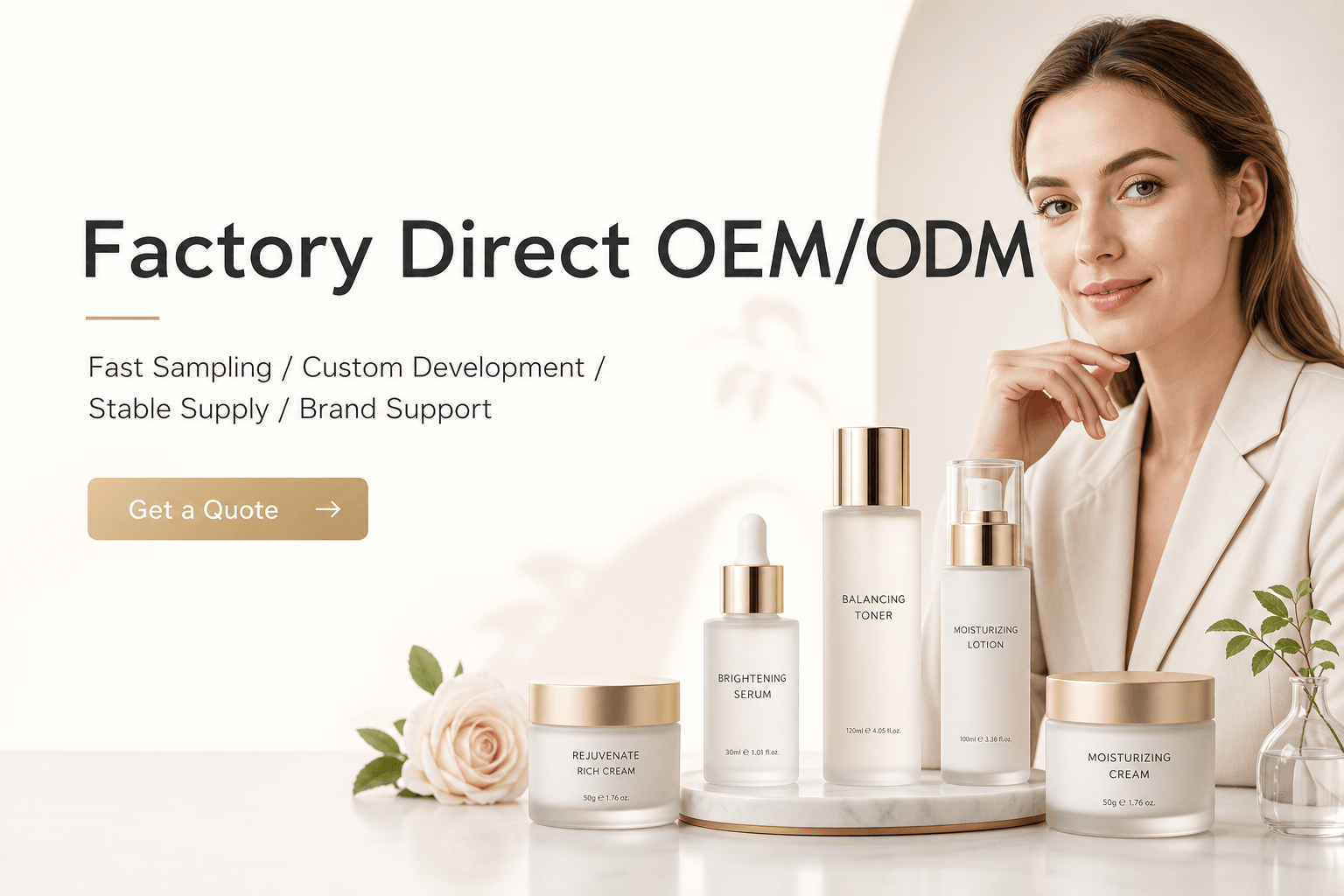
Packaging is not just decoration. It affects product stability, customer perception, shipping safety, and price positioning. A good skincare private label manufacturer should help you consider packaging compatibility, usage experience, and how the full product line looks together.
For facial kits, packaging consistency is especially important because products are often sold as a routine. Cleansers, toners, serums, creams, masks, and body care products should feel connected through design, texture, scent direction, and usage logic.
If you are building a private label skincare range, ask whether the supplier can support packaging sourcing, label direction, product matching, and category planning.
What Types of Brands Can Benefit from Private Label Skincare Manufacturing?
Private label skincare is suitable for many B2B buyers, including beauty startups, wholesalers, salon chains, spa groups, e-commerce sellers, importers, distributors, and established cosmetic brands expanding into new categories.
For a startup, private label manufacturing can reduce the time needed to develop a complete product line. For a distributor, it can create higher-margin products under an owned brand. For a salon or spa group, it can turn professional treatment routines into take-home skincare products. For an existing beauty company, OEM ODM skincare manufacturing can support category expansion without building an in-house factory.
The best results come when the brand has a clear target customer, price range, product concept, and sales channel. The manufacturer can then recommend formulas, packaging, MOQ options, and development steps that match the business model.
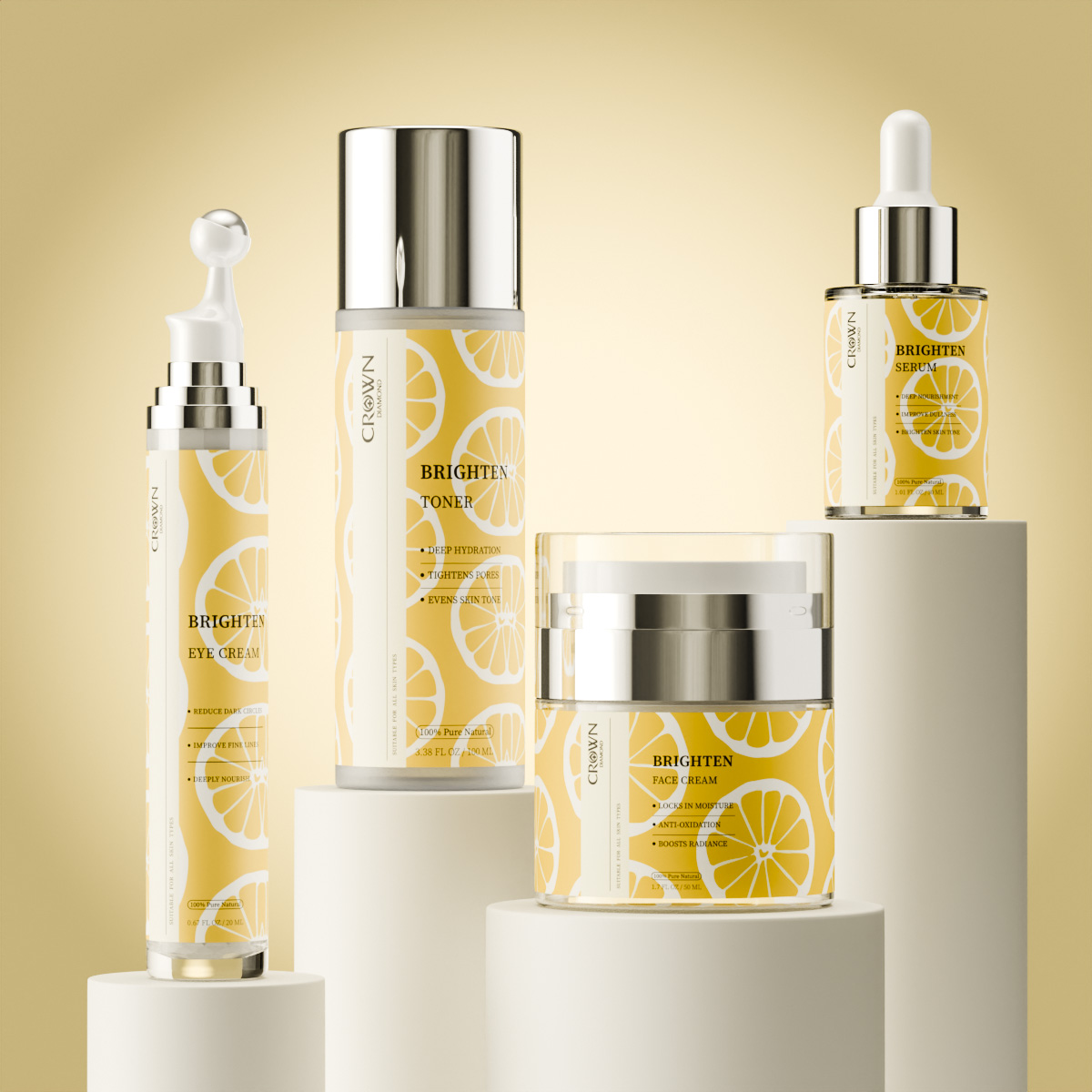
Why Work with CrownDiaBio for Private Label Skincare?
CrownDiaBio is a Guangzhou-based skincare manufacturer with more than 20 years of experience in OEM, ODM, private label, and custom skincare formulation. The company supports B2B customers with formula selection, sample development, packaging coordination, production, and quality-related documentation.
For brands focused on facial kits, body lotion, body care, and daily skincare categories, CrownDiaBio offers a practical manufacturing base with around 300+ available formulas, MOQ from 100 units for selected projects, monthly capacity up to 660,000 units, and GMP, ISO 22716, and SGS-related support.
Instead of offering one-size-fits-all products, CrownDiaBio works with buyers to match formulas, textures, packaging, and product positioning to their market needs. This helps brands launch skincare products with clearer direction and better long-term supply planning.
How to Start Your Private Label Skincare Project
Before contacting a manufacturer, prepare a simple project brief. It does not need to be perfect, but it should include your target market, product category, preferred texture, price positioning, packaging idea, expected order quantity, and launch timeline.
If you already have benchmark products, share them with the manufacturer. If you are still exploring, start with a category direction such as hydrating facial kits, body lotion, body care sets, cleanser and cream combinations, or daily skincare essentials.
CrownDiaBio can help review your product direction and recommend suitable OEM, ODM, private label, or custom formulation options based on your business stage.
Final Thoughts
Choosing a skincare private label manufacturer is not only about finding a supplier. It is about building a product development partner that can support quality, compliance, efficiency, and business growth.
A reliable manufacturer should offer practical formulation support, clear MOQ communication, quality management, packaging coordination, and scalable production capacity. For B2B skincare brands, these factors directly affect launch speed, customer trust, and repeat-order potential.
If you are planning to develop a private label skincare line, facial kit, body lotion, or body care product range, CrownDiaBio can support your project from concept to production.
Contact CrownDiaBio to discuss your private label skincare project and request formula options or samples for your brand.