Private Label Skincare Guide
Skin Care Set: How B2B Brands Can Build a Complete Product Line
Learn how to build a private label skin care set with the right routine, formulas, packaging, MOQ, and OEM/ODM support.
A skin care set is often easier to sell than a single product because it gives customers a complete routine instead of one isolated item. For beauty brands, distributors, salon chains, and private label buyers, a well-planned set can improve product value, support repeat purchases, and make the brand story easier to understand.
However, building a successful skin care set is not just about putting a cleanser, serum, and cream into the same box. The products must work together in routine logic, texture, positioning, packaging, and price. If the set feels random, buyers may struggle to explain it to retailers, salons, or end consumers.
For brands planning a complete routine, a well-structured skin care set can serve as a practical reference for building a private label facial care line with coordinated formulas, packaging, and routine positioning. Buyers who want to see a live product example can also review CrownDiaBio’s 4pcs facial peptide, vitamin C and retinol skin care set to better discuss formula matching, set combinations, and OEM/ODM customization options with the manufacturing team.
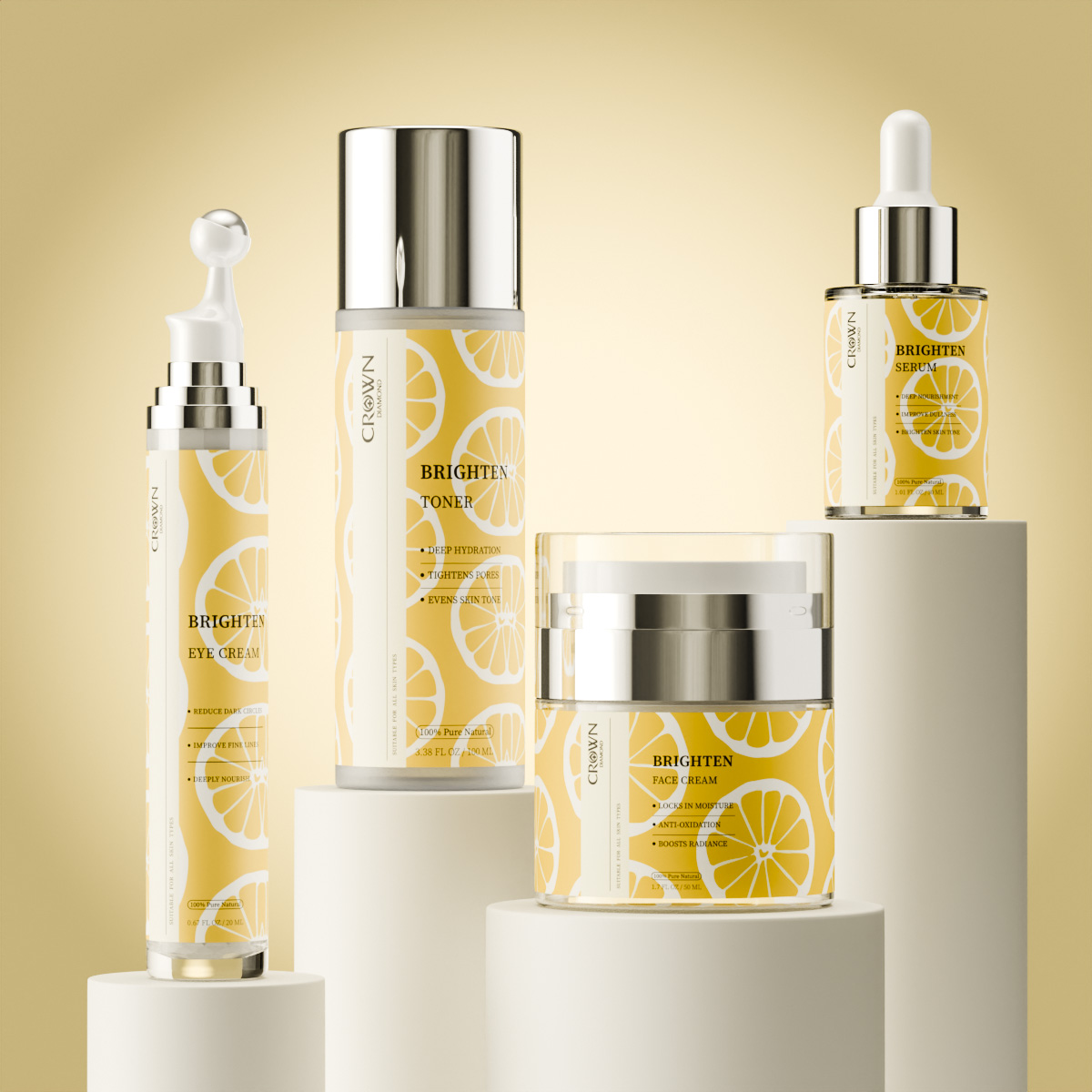
Why a Skin Care Set Works Well for B2B Skincare Brands
For many skincare businesses, product education is a major sales challenge. A single serum or cream may need a long explanation before customers understand where it fits in a routine. A skin care set solves part of this problem by presenting the products as a complete daily system.
For wholesalers and distributors, sets are useful because they create a clearer selling unit. Retailers can display one box or bundle instead of several unrelated SKUs. For salons and spas, a facial care set can turn professional treatment logic into a take-home routine. For e-commerce brands, sets can increase average order value and support gift campaigns, starter kits, and seasonal promotions.
From a manufacturing point of view, sets also help brands plan categories more efficiently. Instead of launching one product at a time, the brand can build a coordinated line around hydration, brightening, oil control, anti-aging appearance care, or barrier support. This creates stronger shelf consistency and a more professional brand image.
Skin Care Set vs. Single Product: What Buyers Should Consider
A single product can be a good starting point when the brand wants to test one hero formula. But a set is often better when the business goal is to build a complete private label skincare line.
The key difference is development complexity. A single face cream mainly needs texture, formula stability, packaging compatibility, and claim direction. A set requires those same checks for every item, plus the routine relationship between products. The cleanser should prepare the skin without leaving an uncomfortable feel. The toner or essence should match the positioning. The serum should provide a clear functional focus. The cream should complete the routine with an appropriate finish.
B2B buyers also need to consider MOQ, packaging availability, box design, label consistency, and production scheduling. If each item uses a different bottle, jar, or tube, the project may involve more packaging coordination. A reliable private label cosmetics manufacturer should explain these details early so the buyer can control cost and launch timing.
Common Types of Skin Care Sets for Private Label Projects
Hydrating Skin Care Set
A hydrating set is one of the most versatile options for new and growing brands. It can be positioned for daily use, dry-feeling skin, seasonal moisture needs, or simple entry-level skincare. Typical products may include a gentle cleanser, toner, hydrating serum, moisturizer, and facial mask.
For this direction, texture is very important. Buyers should decide whether the line should feel lightweight, refreshing, rich, or suitable for humid climates. Ingredients such as hyaluronic acid, glycerin, panthenol, and plant extracts are commonly used in cosmetic hydration concepts, but final formula choices should match the target market and regulatory requirements.
Brightening Face Care Set
A brightening face care set usually focuses on improving the look of dull or uneven-looking skin. In cosmetic positioning, the wording should stay compliant and avoid medical or exaggerated claims. Instead of promising permanent whitening or treatment, product communication should focus on radiance, even-looking tone, smoother appearance, and daily glow support.
Common product structures include a cleanser, toner, niacinamide serum, brightening cream, and mask. For international B2B buyers, this category needs careful wording because different markets have different rules around brightening, whitening, and pigmentation-related claims.
Anti-Aging Appearance Care Set
Anti-aging products set queries often reflect strong market demand, but this category also requires careful claim control. A compliant skincare set should not promise to remove wrinkles or reverse aging. Safer wording can describe support for smoother-looking skin, firmer-looking appearance, moisture retention, and improved skin comfort.
A practical set may include a mild cleanser, peptide serum, retinol cosmetic cream, moisturizing cream, and eye care product. The manufacturer should help evaluate formula compatibility, especially when ingredients such as retinol, peptides, acids, or fragrance are involved.
Acne and Blemish Care Cosmetics Set
For oily, blemish-prone, or teen-focused markets, a blemish care cosmetics set can be attractive. The key is to avoid drug-style treatment language unless the product is developed and registered for that purpose in the target market. Cosmetic wording may focus on cleansing, oil-control feel, refreshing texture, pore appearance, and balanced skin feel.
This type of set often includes a cleanser, toner, lightweight serum, gel cream, and spot-care cosmetic product. Packaging should feel clean and functional, while textures should avoid heaviness.
Body Care and Body Lotion Set
Not every skincare set needs to focus only on the face. Body lotions, body creams, body scrubs, hand creams, and body oils can form a strong body care line for salons, spas, hotels, and retailers. Body care sets are especially useful for gift packaging and seasonal promotions.
For body lotion projects, buyers should pay attention to absorption, fragrance direction, skin feel after application, and packaging size. A lotion that feels elegant in a sample bottle may still need adjustment before mass production if the target market prefers a lighter or richer finish.
How to Build a Private Label Skin Care Set Step by Step
1. Define the Market Position Before Choosing Formulas
The first step is not formula selection. It is business positioning. Before asking for samples, buyers should define the target customer, price range, sales channel, routine concept, and expected launch quantity.
A set for a salon chain may need a professional routine story and larger product sizes. A set for e-commerce may need stronger visual packaging and simple customer education. A set for distributors may need flexible MOQ, stable repeat supply, and clear category differentiation. These decisions affect every later step.
2. Choose a Routine Structure That Customers Can Understand
A strong skin care set should be easy to explain. The routine may follow simple steps such as cleanse, prepare, treat, moisturize, and protect. Not every set needs five or six items. For a starter kit, three products may be enough. For a premium facial kit, more products may be appropriate if each one has a clear role.
Avoid adding products only to make the set look bigger. Extra items increase cost, MOQ complexity, packaging work, and customer education pressure. A compact, logical set often performs better than an overloaded bundle.
3. Match Formula Texture Across the Full Set
Texture consistency matters because customers experience the products together. If the cleanser feels dry, the serum feels sticky, and the cream feels too heavy, the set will not feel professionally developed even if each formula looks acceptable alone.
During sampling, test the full routine in order. Check cleansing feel, absorption, layering, scent direction, finish, and whether the products make sense for morning or evening use. For B2B buyers, this step helps reduce complaints and improves the chance of repeat orders.
4. Plan Packaging as a Product Line, Not Separate Items
Packaging should make the set look connected. Bottles, jars, tubes, labels, caps, colors, and box structure should support the same brand identity. For private label skincare, packaging also affects MOQ, unit cost, lead time, and shipping safety.
Buyers should ask the manufacturer about packaging compatibility, available stock packaging, custom packaging options, label materials, carton structure, and whether the selected containers suit the formula viscosity. This is especially important for serums, creams, lotions, and masks.
5. Keep Claims Compliant and Commercially Useful
Skincare marketing should be persuasive, but it must stay within cosmetic boundaries. For a skin care set, avoid wording that sounds pharmaceutical or guarantees a result. Safer product copy can focus on hydration, moisture, comfort, smoother-looking skin, radiant appearance, refreshed feel, and routine support.
This matters for B2B buyers because they often reuse supplier information on websites, labels, catalogs, and marketplace listings. If the original product copy is exaggerated, the buyer may face compliance risk later.

What to Ask Your OEM/ODM Skincare Manufacturer
Before confirming a project, buyers should ask practical questions that affect cost, quality, and launch timing:
- Can you support OEM, ODM, private label, and custom formulation options?
- Which formulas are suitable for a complete facial care set or body care set?
- What is the MOQ for each product and for the full set?
- Can the formula texture, fragrance, color, or active concept be adjusted?
- What packaging options are available for cleanser, serum, cream, lotion, and mask products?
- Can you support label direction, box packaging, and product matching?
- What quality management documents or certification support can you provide?
- What is the estimated sampling and production timeline?
Clear answers help buyers compare suppliers beyond price. A low unit price is not useful if the supplier cannot support stable production, packaging coordination, or repeat orders.
How CrownDiaBio Supports Skin Care Set Development
CrownDiaBio is a Guangzhou-based skincare manufacturer with more than 20 years of experience in OEM, ODM, private label, and custom formulation projects. The company supports overseas B2B customers with formula selection, sample development, packaging coordination, production, and quality-related documentation.
For brands planning a skin care set, CrownDiaBio can help match formulas across facial kits, serums, creams, moisturizers, body lotions, and body care products. With around 300+ formula options, MOQ from 100 units for selected private label projects, monthly capacity up to 660,000 units, and GMP, ISO 22716, and SGS-related support, the company can serve both test-market launches and larger repeat-order projects.
Instead of treating each product as a separate item, CrownDiaBio helps buyers think through the full product line: routine logic, texture matching, packaging direction, compliance-safe wording, and commercial positioning. This is especially valuable for distributors, salon groups, beauty startups, and established brands expanding into new skincare categories.

Final Thoughts
A successful skin care set should feel complete, logical, and commercially ready. For buyers comparing real market-ready structures, CrownDiaBio’s 4pcs facial peptide, vitamin C and retinol skin care set is a useful product example for reviewing routine design, packaging coordination, and OEM/ODM development direction. It needs more than attractive packaging. It needs a clear routine, compatible formulas, suitable textures, realistic MOQ planning, compliant product wording, and a manufacturer that understands B2B skincare development.
For brands building a private label skincare line, starting with a well-structured set can make product education easier and create stronger value for wholesale, salon, retail, and e-commerce channels.
**Contact CrownDiaBio to discuss your private label skin care set project and request formula options, packaging suggestions, or samples for your brand.**
—