Private Label Skincare Guide
How to Find a Reliable Private Label Skincare Manufacturer in China
A practical checklist for evaluating a skincare manufacturer in China — from OEM/ODM capability and MOQ to quality control, sampling, and long-term partnership.
Choosing a reliable private label skincare manufacturer in China is not just about finding a factory with low prices. For beauty brands, wholesalers, salon chains, and eCommerce sellers, the right manufacturing partner affects product quality, launch speed, packaging consistency, repeat orders, and long-term brand reputation.
China has a mature skincare supply chain, especially in cosmetics manufacturing hubs such as Guangzhou. You can find suppliers for facial creams, serums, cleansers, masks, facial kits, body lotions, and complete OEM/ODM skincare lines. But the real challenge is not finding a supplier. It is knowing which factory is stable, compliant, responsive, and suitable for B2B cooperation.
This guide gives you a practical checklist for evaluating a private label skincare manufacturer in China before you request samples or place an order.
1. Start With a Clear Product Direction
Before contacting factories, prepare your product direction. A serious skincare manufacturer needs more than a general request such as “I want a serum” or “Send me your best seller.” Clear requirements help the supplier recommend the right formula, packaging, MOQ, and development route.
Prepare these details first:
- Product type: cream, serum, cleanser, mask, body lotion, hand cream, or skincare set
- Target channel: wholesale, salon, spa, Amazon, eCommerce, retail, or distributor network
- Skin care direction: hydration, brightening appearance, oil control, barrier support, soothing care, or anti-aging care
- Formula preference: lightweight, rich cream, fragrance-free, gel texture, natural-positioned, or active-focused
- Packaging format: bottle, jar, tube, airless pump, sachet, outer box, or gift set
- Order plan: sample test, trial launch, wholesale order, or long-term product line
A reliable supplier will use this information to guide the project. If a factory only pushes random catalog products without asking about your market, treat it as a warning sign.
2–7. Evaluate the Manufacturer Step by Step
2. Check Private Label, OEM, and ODM Support
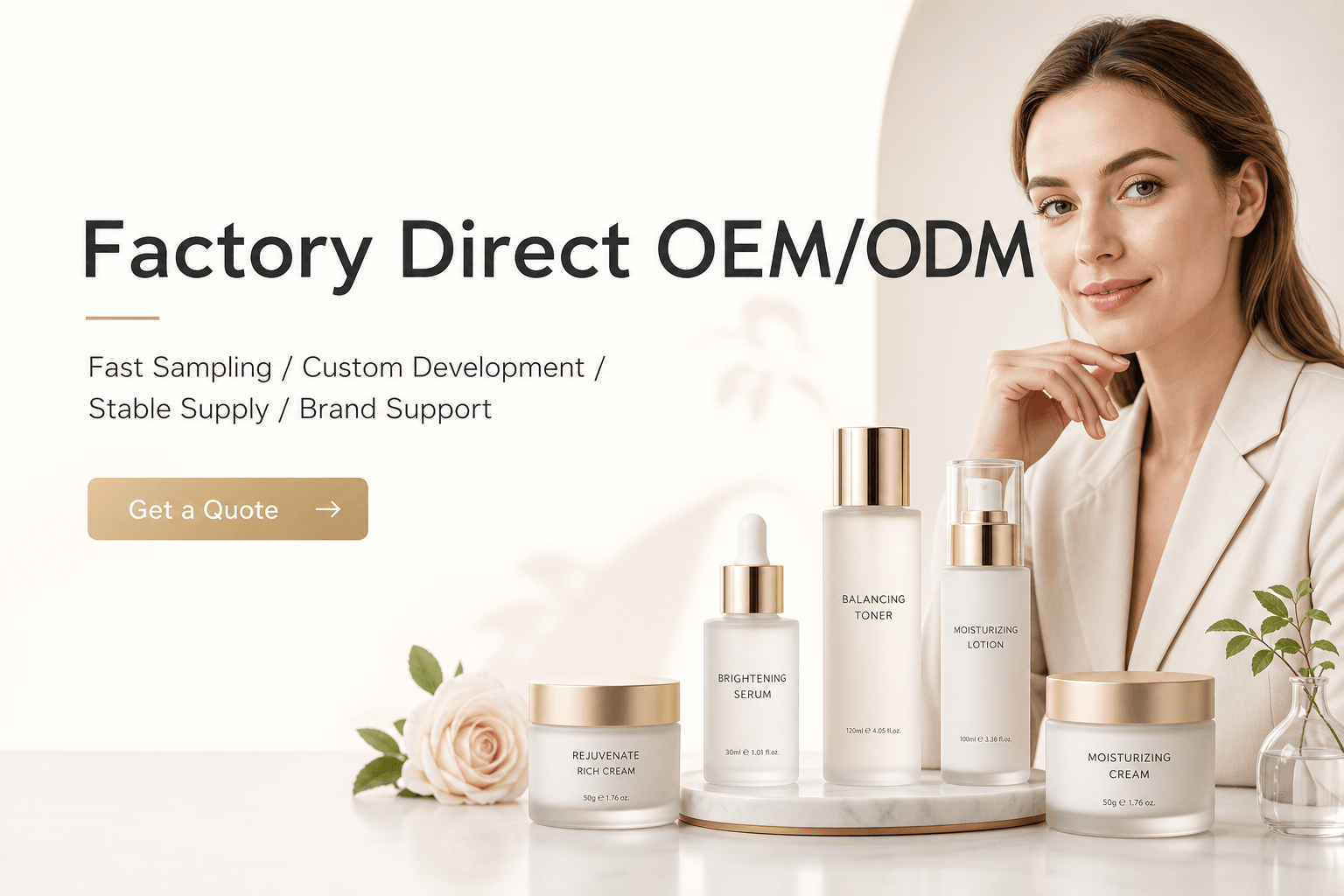
A capable private label cosmetics supplier should understand the difference between private label, OEM, and ODM. Private label skincare usually means selecting an existing or semi-ready formula and applying your brand, packaging, and label design. It is suitable for faster launches and lower development risk.
OEM skincare manufacturing is usually based on the buyer’s formula, benchmark sample, or detailed product specification. ODM skincare manufacturing means the factory supports product development, including formula direction, sample adjustment, packaging recommendation, and production planning.
If you want speed, private label may be the best starting point. If you need a more customized texture, ingredient concept, or product story, ODM support is more suitable. A good manufacturer should help you choose the right route instead of forcing every project into the same model.
3. Review Quality Control and Compliance Awareness
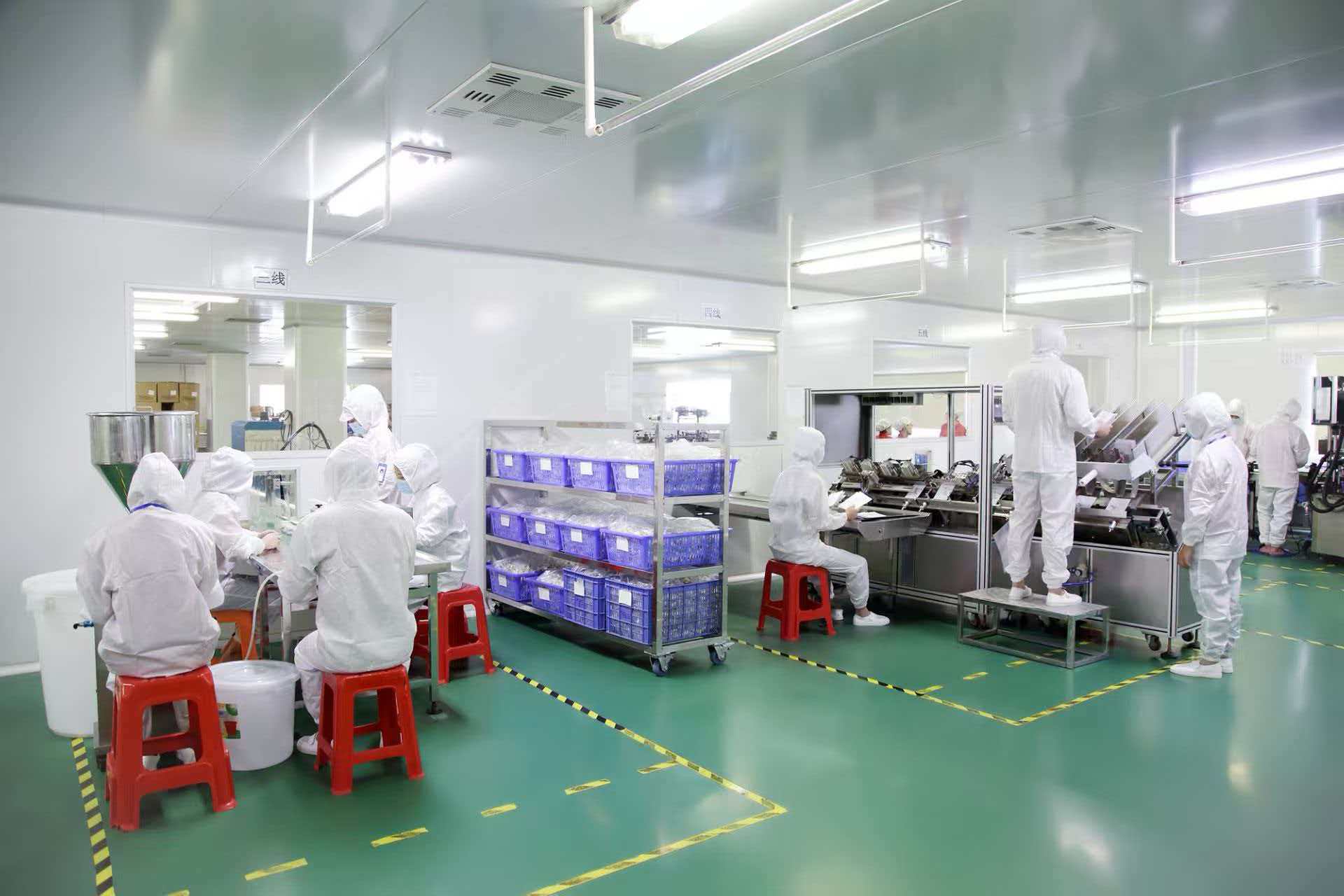
Skincare products are used directly on the skin, so quality control cannot be treated as a secondary detail. Ask how the factory manages raw materials, production records, filling, batch traceability, and finished product inspection.
Useful questions: Does the factory follow cosmetics GMP-style production management? Can they provide ISO 22716, GMP, SGS, or other relevant documentation? How are raw materials checked? Are production batches traceable? What inspections are done before shipment? Can they support third-party inspection?
Also pay attention to product claims. A professional supplier should avoid medical or drug-like promises. Cosmetic skincare wording should stay compliant, using responsible language such as “helps improve the appearance of fine lines,” “supports skin hydration,” or “helps maintain a smoother-looking complexion.”
4. Evaluate Formula Resources and Custom Formulation Ability
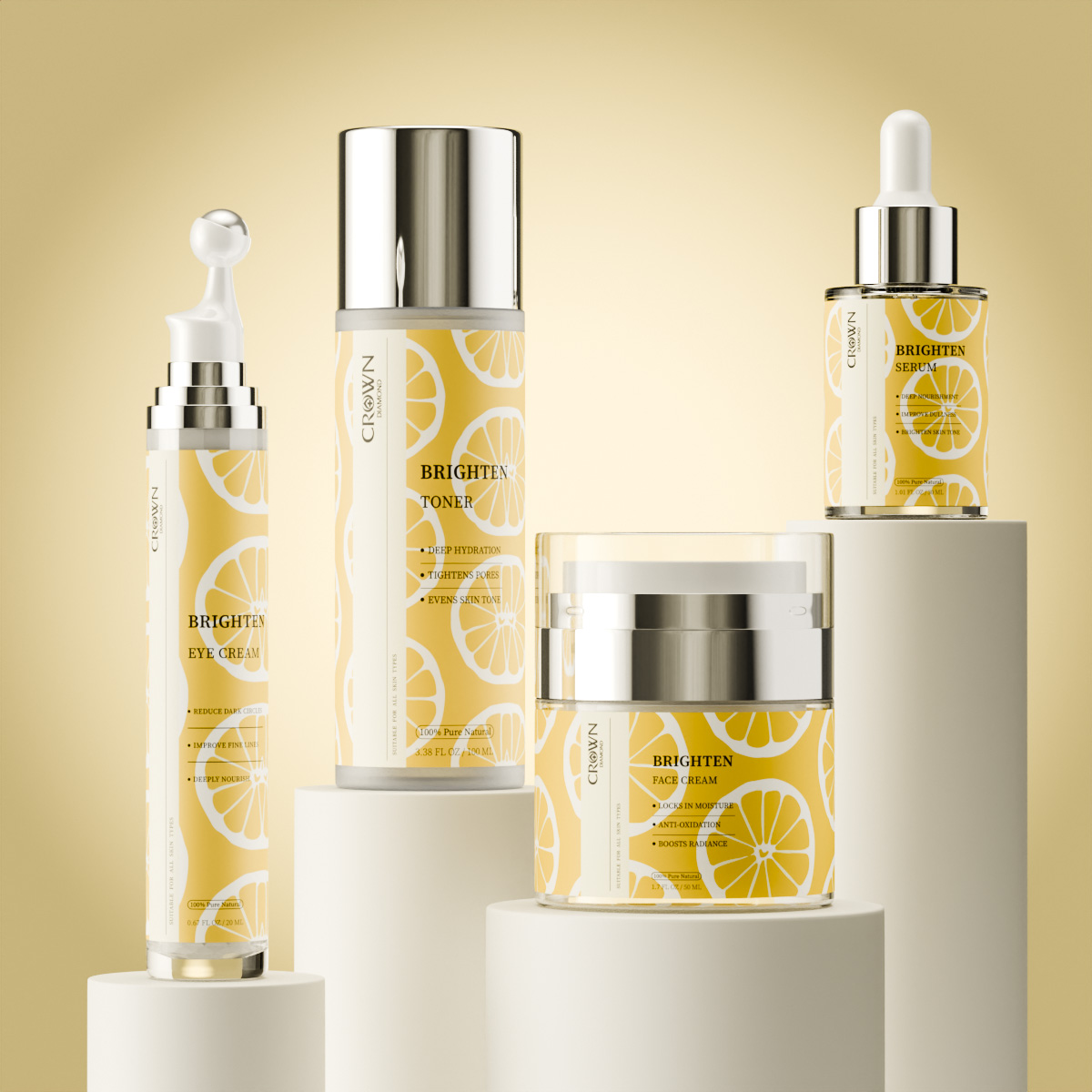
Formula resources are important because they let buyers compare textures, active directions, skin feel, fragrance, and cost levels before investing in custom development. If you are building a facial care line, you may need cleanser, toner, serum, cream, mask, and eye care products. If you are building a body care line, you may need body lotion, body cream, body wash, hand cream, or body scrub.
Ask whether the manufacturer can support existing formula selection for faster launch, texture and absorption adjustment, fragrance or fragrance-free options, active ingredient positioning, packaging compatibility testing, and product combinations for kits or sets.
Strong formula resources give buyers more room to compare options before confirming samples, especially when building a coordinated facial kit or body care line.
5. Use Sampling to Test More Than the Product
Samples are not only for checking smell, texture, and appearance. They also show how the factory communicates and handles feedback. When requesting samples, observe whether the supplier understands your brief, explains the difference between sample options, records your comments, and confirms the final sample before bulk production.
If a body lotion feels too heavy for your market, can they discuss a lighter texture? If a serum feels too sticky, can they explain whether the sensory profile can be adjusted? Good sample communication reduces risk in bulk production. Poor sample communication usually becomes a bigger problem after payment.
6. Confirm MOQ, Lead Time, Packaging, and Capacity
MOQ is often a key concern for new brands and small distributors. Some factories only accept large orders, while others can support lower-MOQ testing for selected formulas or packaging options. Low MOQ is useful, but it should be considered together with production stability and future scale-up capacity.
Confirm these points in writing: MOQ by product and packaging type, sample cost and lead time, bulk production lead time, packaging lead time, label and carton requirements, reorder lead time, and monthly production capacity.
Packaging also matters. A good manufacturer should help you review bottles, jars, tubes, airless pumps, outer boxes, gift sets, and label requirements. Packaging affects product stability, shipping safety, brand perception, and total cost, so it should be discussed early.
7. Compare Supplier Reliability, Not Just Unit Price

Many buyers compare several factories and choose the lowest quote. This can be risky. In skincare manufacturing, a cheaper unit price may come with weak packaging support, unstable communication, limited formula options, or unclear quality control.
Compare total value instead: formula suitability for your target market, quality control and documentation clarity, packaging support, MOQ flexibility, communication efficiency, reorder stability, and long-term product development potential.
A reliable private label skincare manufacturer in China should act like a project partner, not only a product seller. The best suppliers explain trade-offs clearly and help you make practical decisions.
Red Flags to Watch Before Choosing a Manufacturer
Be careful if a supplier:
- Avoids questions about quality control or documentation
- Promises medical, injectable, or drug-like skincare effects
- Cannot explain formula or packaging differences
- Pushes you to order before sample approval
- Gives inconsistent MOQ or lead time information
- Refuses written confirmation of key details
- Only competes on low price
These signs do not always mean the factory is unusable, but they do mean you should investigate further before placing an order.
Final Checklist Before You Decide
Before choosing a skincare manufacturer, make sure you can answer yes to these questions:
- Does the factory understand my target market and product direction?
- Can they support private label, OEM, or ODM according to my needs?
- Are their quality control and documentation clear enough?
- Have I tested and approved the final sample?
- Are MOQ, lead time, packaging, and payment terms confirmed in writing?
- Can the supplier support repeat orders and future product expansion?
If the answer is yes, you are closer to finding a long-term manufacturing partner instead of just a one-time supplier.
For a related perspective on supplier screening, you can also read How to Choose a Reliable Skincare Private Label Manufacturer. If you want to understand the broader factory and service positioning first, visit the CrownDiaBio homepage.
How CrownDiaBio Supports Your Skincare Manufacturer Search
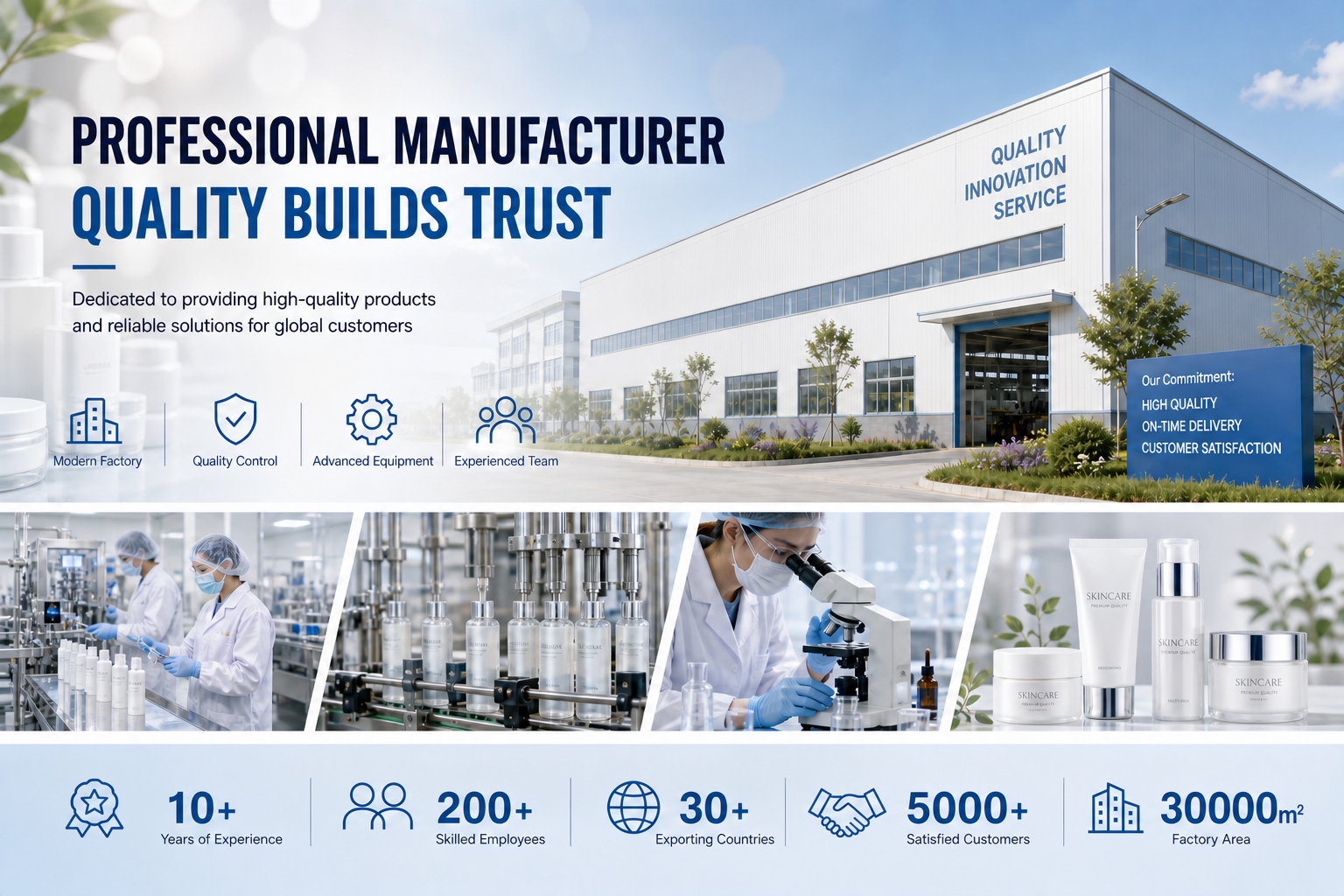
CrownDiaBio is a Guangzhou-based skincare manufacturer with more than 20 years of experience in OEM, ODM, private label, and custom formulation projects. The company supports overseas B2B customers with formula selection, sample development, packaging coordination, production, and quality-related documentation.
For brands evaluating skincare manufacturers in China, CrownDiaBio offers around 300+ formula options across facial care, body care, cleansers, toners, serums, creams, masks, and body lotions. MOQ starts from 100 units for selected private label projects, with monthly production capacity up to 660,000 units and GMP, ISO 22716, and SGS-related support.
Instead of treating manufacturer selection as a one-time transaction, CrownDiaBio helps buyers think through the full supply relationship: formula matching, texture consistency, packaging direction, compliant product wording, and long-term scalability. This is especially valuable for distributors, salon groups, beauty startups, and established brands evaluating manufacturing partners for the first time or expanding into new skincare categories.
Final Thoughts
Finding a reliable private label skincare manufacturer in China takes more than comparing unit prices. It requires checking quality systems, formula resources, sample communication, packaging support, and the factory’s willingness to act as a long-term partner rather than a one-time supplier.
For brands planning a private label skincare launch, being clear about your product direction, asking the right questions during evaluation, and testing supplier communication through the sampling process can help you avoid common pitfalls and build a more stable manufacturing relationship.
If you are planning to launch or expand a skincare line, you can contact CrownDiaBio through the contact page or start from the homepage. Share your product type, target market, MOQ expectation, and packaging direction to discuss a private label manufacturing plan.
Contact CrownDiaBio to discuss your private label skincare project and request formula options, packaging suggestions, or samples for your brand.